Why PI?

At the very core of the development sector, or what has come to be known as the “social impact” sector, is uncertainty. It is built into its very design, reflecting the complexity of the real world. Enter AI, a tool whose power continues to be unleashed every day. There is no ignoring how much it has already integrated into our lives, affecting our professional and personal lives. In this context, a continuous pursuit to (re/un) learn, grow, and expand our understanding of the shifts in the world is not only critical to our work, but our very existence.

Punarnava Infinity grew out of a lacuna that we have felt in the sector; a missing space for people like you and us. A space for learning without an agenda, conversations that are not won or lost, and community that is collaborative, not competitive. PI, like its numerical value, aims to be this infinite space for regeneration (punarnava); regeneration of our selves and, through our actions, our dear planet.

You’ll notice that we have created three broad ways of engaging at PI: Self, Companion, and Community. The ‘Self’ offers opportunities for you to get away from the noise, spend some time alone, and engage with ideas at your own pace. You might deep dive into some concepts that draw you to them, or move away from others that don’t connect with you. The offerings of a ‘Companion’ include mentorship and bricolage; if you’re looking for someone to walk with you, create conditions for your mind to explore, reflect, and act, or just listen and help you along the way, this is where you will find that person. Mise en place offers bespoke facilitation+ services for any context; the goal is to emerge insights with you, an undertaking where the process itself is the outcome. The ‘Community’ provides a space that most of us crave in today’s hyperstimulated world - a place to really sit down and converse. We’re not competing, we’re not shouting over each other, and we’re not gatekeeping. We are creating small spaces so that we can really listen to each other. We’re having conversations that other spaces shy away from, and we’re having them with vulnerability and trust.

This is a call to action…but at your pace. The autodidact in you might explore courses one day and discover a new community another. You might deep dive into the wormhole of the library, or engage in a dialogue with a mentor. We are creating this space together, with sensitivity, empathy, and vulnerability.
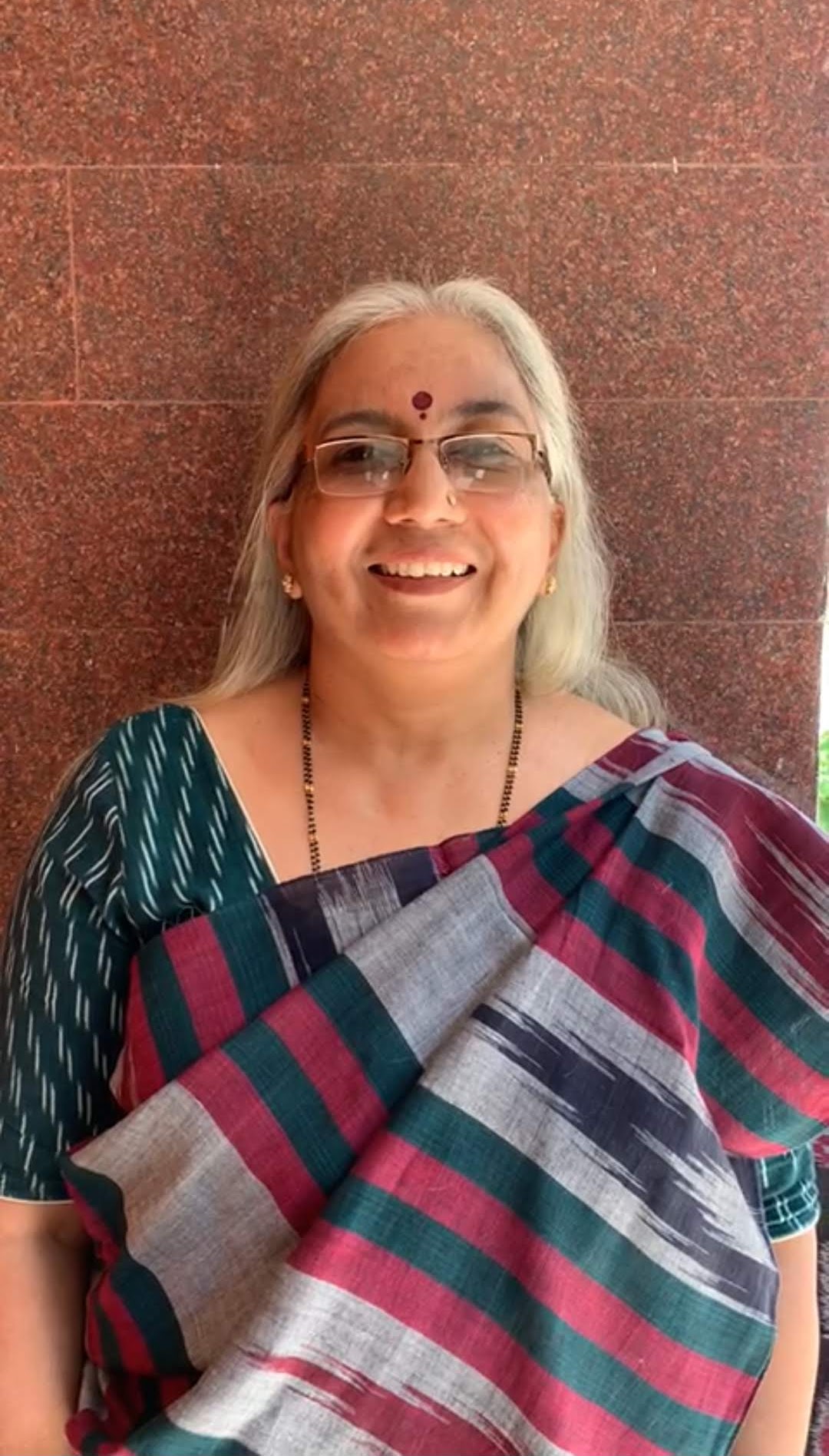
Suparna Diwakar

Suparna Diwakar

Founder & Director

Suparna Diwakar is a distinguished education and development professional with over 35 years of experience spanning grassroots work, think tanks, non-profits, universities, and government advisory roles. She specialises in institutional development, curriculum design, teaching and facilitation, capacity building, programme leadership, policy advisory, and mentoring, with a deep commitment to integrating regenerative practices, wellbeing, and Indic knowledge systems into education and leadership.

Currently pursuing a PhD in Regenerative Development from RV University, Bengaluru, Suparna has played key roles in national education initiatives. She has served as Chief Consultant for the National Syllabus and TLM Committee and the Technical Secretariat for NEP 2020 implementation. She also co-founded and served as Dean (Research & Academics) at the Indian School of Development Management (ISDM) and directed the Centre for Regenerative Development at Rashtram School of Public Leadership. Additionally, she has been a member of the National Advisory Council for RTE implementation and contributed to Karnataka’s NEP Task Force.

Her ongoing roles include Member of the Governing Board at Grow Talent Company Ltd. (School of Inspired Leadership), Advisor & Mentor for SEWA Fellowship, member of The Wellbeing Project and various other ecological networks. Suparna has designed and delivered leadership development programmes and contributed to curriculum and textbook development aligned with NEP 2020.

A compelling speaker, Suparna delivered a TEDxGIPE 2026 talk titled ‘Regenerating the Beautiful Tree’, where she critiqued the transactional ‘education machine’ and advocated for reviving India’s indigenous, community-rooted learning systems inspired by Gandhi’s vision. She called for education that nurtures resilient, creative, and collaborative individuals rather than mere skilled technicians.

Fluent in interdisciplinary thinking, and languages such as English, Hindi, Kannada, Tamil, and Marathi, Suparna continues to shape transformative education and regenerative development in India and globally.

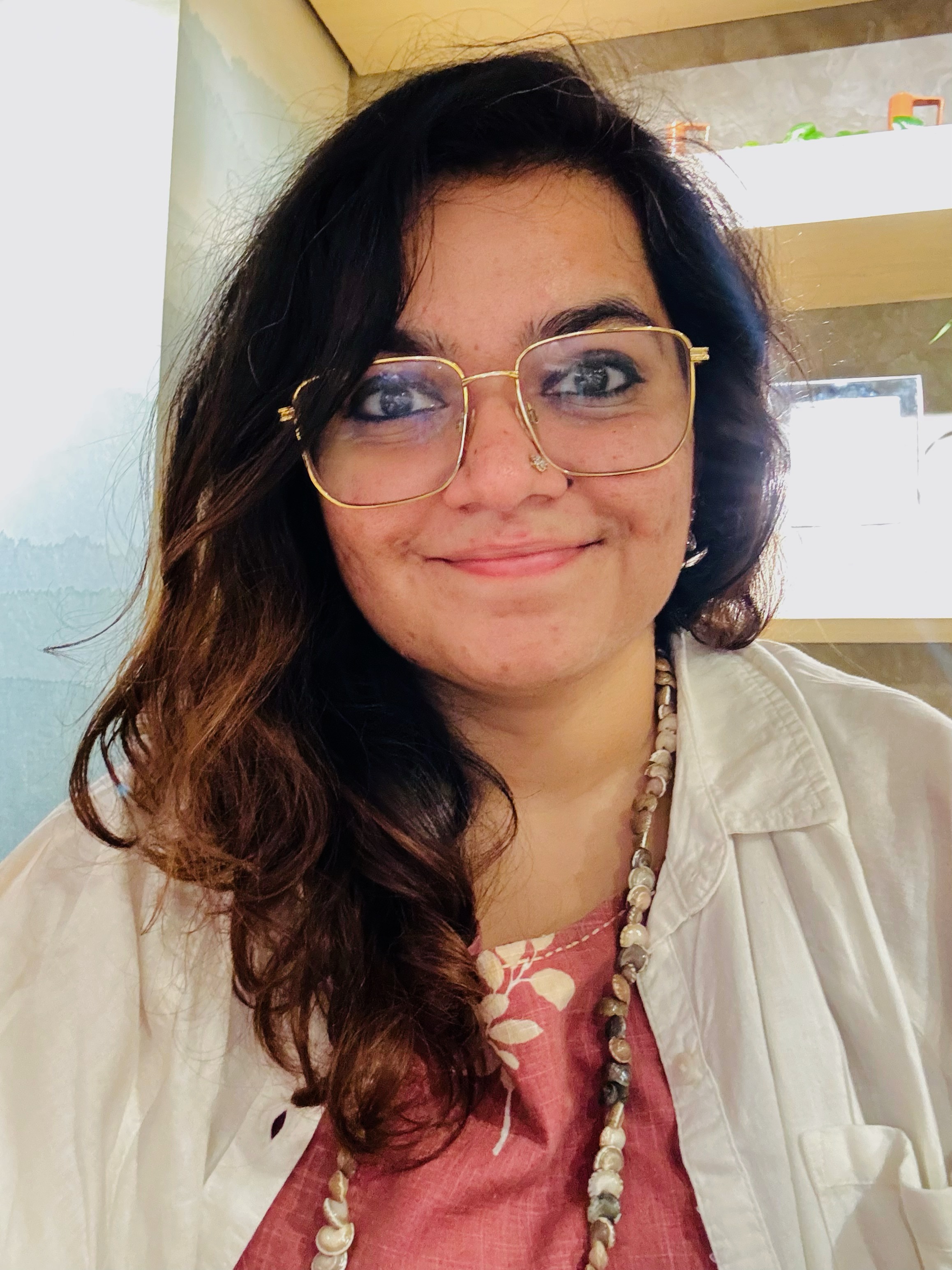
Roshini Suparna Diwakar

Co-Founder & Director

Roshini Suparna Diwakar is a development professional with nearly a decade-and-a-half of prolific experience in participatory research, capacity building, project management, monitoring and evaluation, donor engagement, and communications. Her work centres on the intersections of gender, disability, marginalisation, and access to resources, with a strong focus on inclusive development.

She holds a Master’s degree in Comparative Politics (Research Methods) from the London School of Economics and Political Science, and a Bachelor’s in Political Science from Lady Shri Ram College, Delhi University. She also holds a Diploma in Conflict Resolution and Peace Building from LSR.

Roshini stepped into the sector doe-eyed, soon learning that working with communities was not something she had been trained for. For over a decade, she learnt and unlearned how to work with marginalised communities, collaborate with partners, and conduct research that can add true value to programmes.

She has worked with Mahila Housing SEWA Trust (MHT), CMSR Consultants, and several other organisations. At her last role as Associate Director at CMSR Consultants, she co-led over 50 evaluation projects across 11 states, trained researchers in multiple languages, and managed client relationships. At MHT, she led internationally funded programmes, secured grants worth over ₹1 crore, authored a chapter in ‘The Palgrave Encyclopaedia on Urban and Regional Futures’, and produced research published by Thomson Reuters Foundation and others.

In 2021, during the Covid-19 pandemic, Roshini developed a progressive disability called Ménière’s Disease, a vestibular disorder that adversely affects her balance and hearing. Today, she constantly navigates the uncertainties that come with her disability through the help of family, friends, a walking stick, and her trusted hearing aid. This personal journey has deepened her commitment to GEDSI (Gender, Equity, Disability, and Social Inclusion) frameworks, advocating for truly inclusive professional spaces that allow listening, learning, and growth; not just by stating it in a TOR, but allowing for deep listening and most importantly, to make mistakes as part of the journey of learning and inclusivity.

Fluent in English, Hindi, Kannada, and basic Indian Sign Language, Roshini continues to champion participatory, sustainable, and equitable development across India.

Roshini Suparna Diwakar